

Every Playable World Begins With an Idea
Shop nowGood Ideas Deserve Thoughtful Learning Spaces
-

Thoughtful Structure
Clear diagrams and sequenced modules connect game design ideas without crowding each learning stage.
-

Guided Practice
Guided worksheets and design activities turn individual topics into focused, useful study exercises.
-

Connected Thinking
Related subjects build from gameplay rules toward environments, systems, and clear project planning.
-

Flexible Learning
Stored course materials support independent review, reflection, and study across different sessions.


A Small Idea With a World of Possibilities
Discover on all Devices


Giving Imagination a Place to Take Shape





30-days refund guarantee

Different Paths Through the Same Creative Universe
-
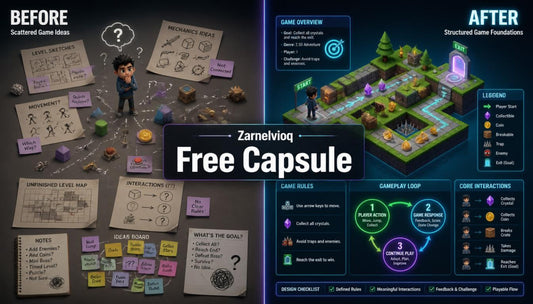
Free Capsule
Regular price 0,00 DKKRegular price -
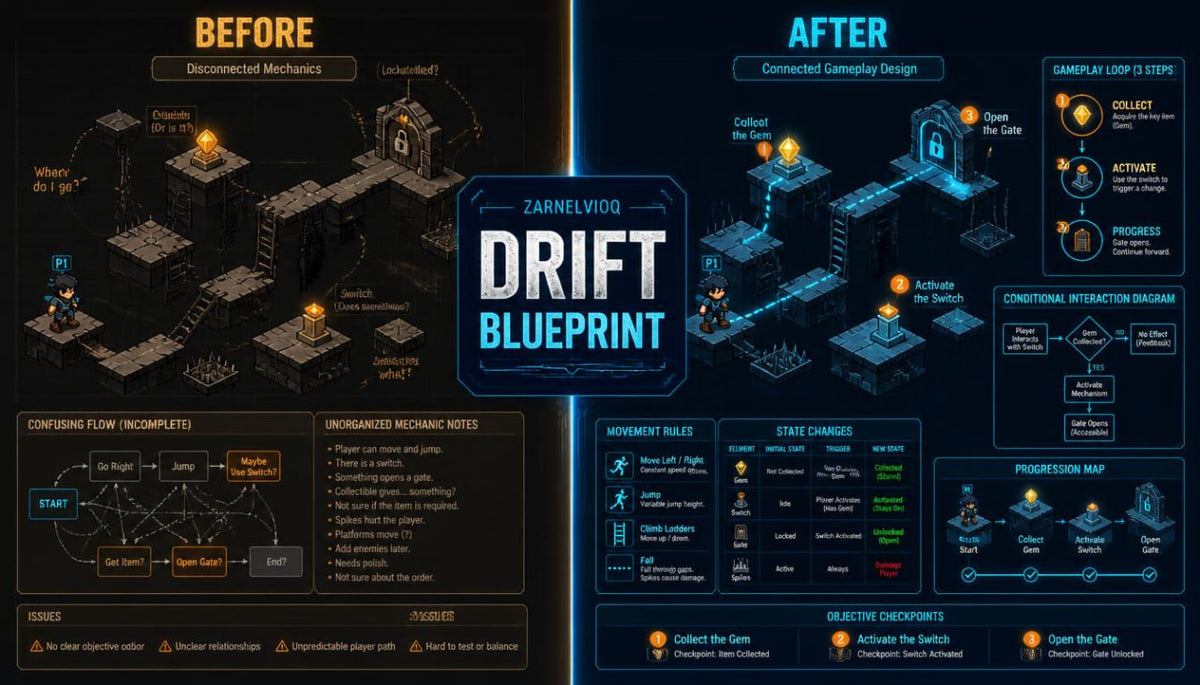
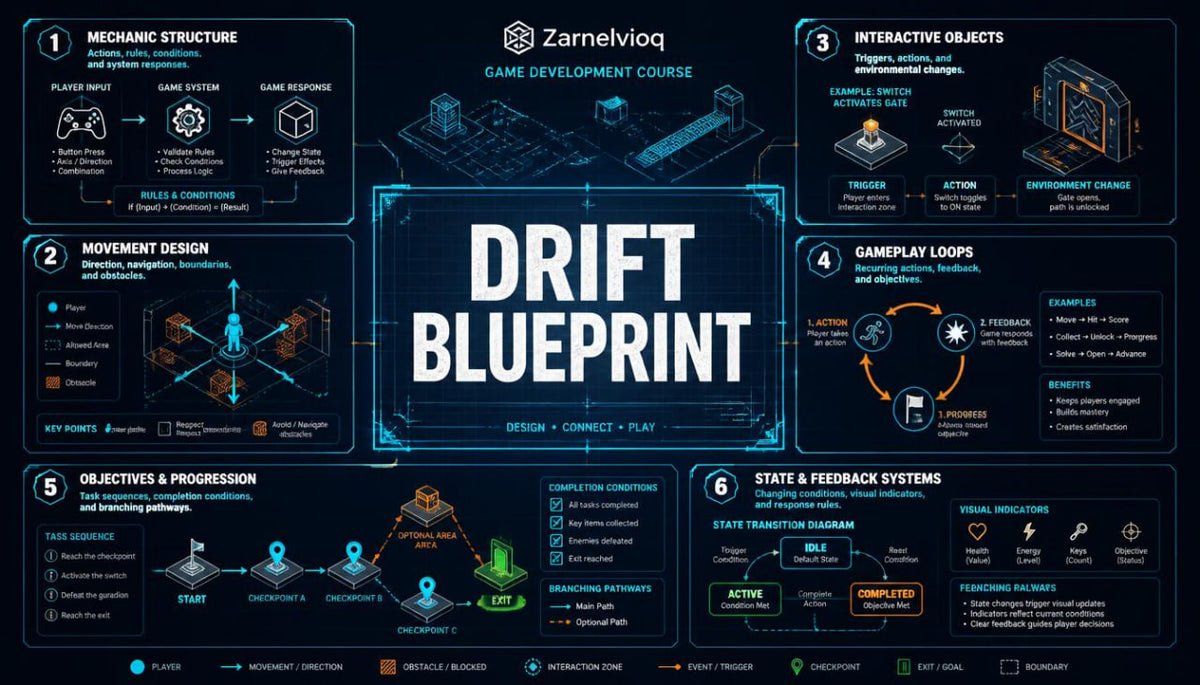
Drift Blueprint
Regular price 610,00 DKKRegular price -
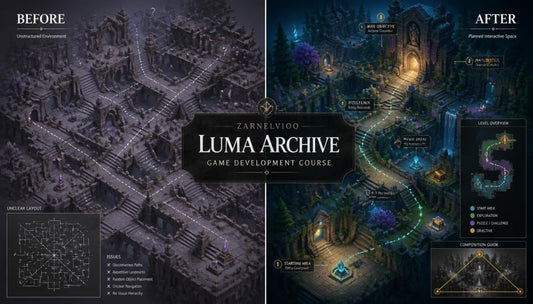
Luma Archive
Regular price 984,00 DKKRegular price -
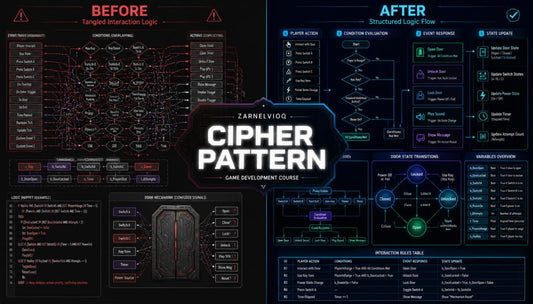
Cipher Pattern
Regular price 1.365,00 DKKRegular price




Your First Creative Sketch Starts Here
Every Learning Journey Has Its Own Story
-

Jannette Marcer
Jannette approached game development with an interest in player interaction and wanted to explore how design decisions influence the experience of navigating a game. The guided exercises, player journey maps, and clearly organized explanations helped her examine interaction cues, feedback, and gameplay decisions.
“I enjoyed working through the design activities because they encouraged me to question and explain my choices.”
-

Lina Eloven
Lina was interested in creating imaginative game environments but found it challenging to organize pathways, landmarks, and interactive objects into coherent layouts. The spatial planning exercises, environment sketches, and visual examples gave her a structured way to examine navigation and environmental composition.
“The environment worksheets encouraged me to think about how every pathway and object contributes to the wider scene.”


A Glimpse Inside the Creative Workshop
The Curious Minds Behind Zarnelvioq
-

George Wylson
Gameplay Systems Designer
He maps player actions into connected rules that shape how game mechanics respond. His work examines interaction conditions, feedback sequences, and relationships between separate systems. He documents design decisions through diagrams, examples, and structured gameplay scenarios. -

Sarah Ambers
Environmental Lighting Artist
She designs lighting concepts that help define the atmosphere of interactive environments. Her work considers color, contrast, and visual direction across different gameplay locations. She creates lighting studies that examine how environmental details influence player attention. -

Toby Chase
Level Designer
He creates level layouts that connect exploration, navigation, and interactive objects within a scene. His plans examine spatial balance, recognizable landmarks, and the placement of player objectives. He uses sketches and route maps to describe how environments guide movement.


